
"volcanic highland"
2000 article(s) found

The three major non-volcanic coffee producing areas in Guatemala are the gas in the micro-Tenanguo highland.
Highland Huehue: Highland Huehue: of the three major non-volcanic coffee producing areas in Guatemala, the Mini Tenango Highland has the driest climate and the highest elevation. The dry hot wind from Mexico's Tehuantepec plateau protects the area's coffee from frost. Coffee can be grown up to 2000 meters (6500).

Guatemala Coffee producing area introduces Micro South Fruit Highland Guatemala Antigua Coffee Bean Fine Coffee
Highland Huehue?: of the three major non-volcanic coffee producing areas in Guatemala, the Weitenango Heights has the driest climate and the highest elevation. The dry hot wind from Mexico's Tehuantepec plateau protects the area's coffee from frost, and coffee can be grown to 2000 meters (6500 feet). Because of its remote location, all coffee

Among the three major non-volcanic coffee producing areas in Guatemala, the tiny Tenango Highland has the driest climate and the sea.
Highland Huehue: of the three major non-volcanic coffee producing areas in Guatemala, the Ginango Heights has the driest climate and the highest elevation. The dry and hot wind from Mexico's Tehuantepec plateau protects the area's coffee from frost, and coffee can be grown to 2000 meters (6500 feet). Because of its remote location, all coffee

An introduction to the producing areas of the Mini Nanguo Highland in Guatemala
Of the three major non-volcanic coffee-producing regions in Guatemala, the Weitango Highland has the driest climate and the highest elevation. The dry and hot wind from Mexico's Tehuantepec plateau protects the area's coffee from frost and can be grown to 2000 meters (6500 feet). Because of its remote location, all coffee farmers have to process their own coffee.

Nutritionally balanced Guatemalan Coffee A brief introduction to the Fine Coffee of Incht Manor in the Highlands of Minamaguo
Coffee in this area has been grown entirely by small farmers since the 1950s, and now every farmer in the mountains is a coffee production unit. This area, once the most remote and poorest part of Guatemala, is now alive and well. Rainy and cloudy, the ancient era of the New Oriental was a volcanic area, where the soil volcanic metamorphic rocks evolved, rich in minerals and balanced in nutrition.

Guatemala Coffee Volcano producing areas Atitlan, Waijangs Plateau, Mini Nanguo Highlands
. Traditional Traditional Atitln is one of the five largest volcanic coffee producing areas in Guatemala, and its soil organic matter is the most abundant among the five major volcanic coffee producing areas. 90% of the traditional Atilan coffee is grown on the violent volcanic slopes of Lake Attilan. The daily breeze stirs the lake water, which is an important factor affecting the microclimate and environment of the region.

Nutritionally balanced Guatemalan Coffee introduces the Incht Manor in Mini Nanguo Highland.
Rainforest Rainforest Cobn: it is cloudy, rainy and cool all the year round. The vast majority of Koban coffee in the rainforest is grown in the obviously undulating and foggy mountains of the region and is deeply influenced by limestone and clay in the Atlantic basin. Koban has two seasons: the rainy season and the rainy season. Rainforest Coban Cup Test feature (Rainforest Cobn cup profile) Rainforest Cobn

Guatemala coffee eight producing areas estate Latissa estate boutique coffee beans
Coffee in this area has been grown exclusively by small farmers since the 1950s, and today every farmer in the mountains is a coffee-producing unit. This region, once the most remote and poorest in Guatemala, is now showing signs of life. Rainy, cloudy, New Oriental ancient times is a volcanic area, soil volcanic metamorphic evolution, rich in minerals, nutrition balance,

Guatemala coffee eight producing areas estate introduction boutique coffee Latissa estate
Traditional Atitln? Atitlan is one of the five largest volcanic coffee producing areas in Guatemala, and its soil organic matter is the richest of the five volcanic coffee producing areas. 90% of traditional Atitlan coffee is grown on the slopes of the intensely burning lake shore of Atitlan. The daily breeze stirring the lake is an important factor affecting the microclimate environment of the area.

Balanced Coffee Flavor and aroma characteristics of Incht Manor in the Heights of Mini South Fruit in Guatemala
Of the three major non-volcanic coffee producing areas in Guatemala, the Mini Tenango Highlands has the driest climate and the highest elevation. The dry and hot wind from Mexico's Tehuantepec plateau protects the region's coffee from frost and can be grown to 2000 meters (6500 feet). Because of its remote location, all coffee farmers have to process their own coffee, but fortunately it is a stream in the area.

Characteristics of coffee from eight major producing areas in Guatemala Guatemala coffee beans
Eight major coffee producing areas in Guatemala. Acatenango Valley?: the Acatenango Valley valley is 2000 meters (6500 feet) above sea level, with dense shade and unique ecology. Nearby Fuego volcanoes continue to erupt, making its coarse, sandy soil rich in a variety of minerals. Temperate sea breezes from the Pacific and seasonal

Guatemala Antigua coffee Guatemala Antigua coffee beans Guatemala coffee bean producing areas
Eight major coffee producing areas in Guatemala. Acatenango Valley?: the Acatenango Valley valley is 2000 meters (6500 feet) above sea level, with dense shade and unique ecology. Nearby Fuego volcanoes continue to erupt, making its coarse, sandy soil rich in a variety of minerals. Temperate sea breezes from the Pacific and seasons
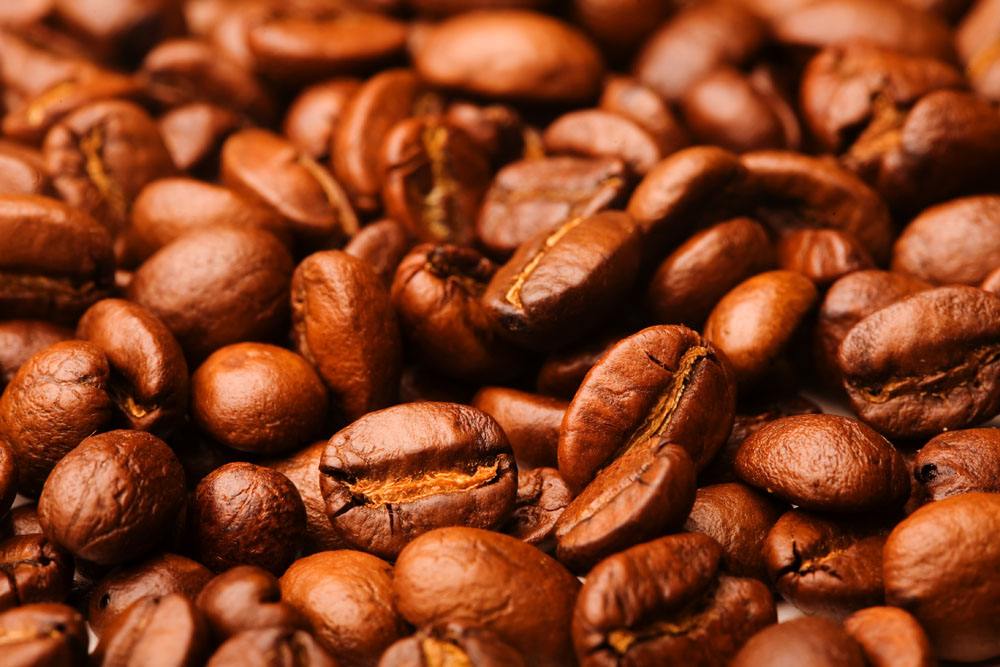
What is the altitude of Guatemala coffee beans and what are the coffee bean producing areas in Guatemala?
Guatemala Coffee beans altitude Guatemala Vivetna Fruit (Guatemala Huehuetenango): in Guatemala, it is famous for producing high quality beans, which is the highest altitude and dry climate in the coffee cultivation area of the country. Located in a rare non-volcanic area in China and the United States, the mountains are potholed and the terrain is very dangerous. Although it is nearly 2000 meters above sea level,

Introduction to the Origin of Fine Coffee beans in the volcanic Coffee producing areas of Africa Bean Guatemala
1. Acatenango Valley: the Acatenango Valley is 2000 meters (6500 feet) above sea level, with dense shade and unique ecology. Nearby Fuego volcanoes continue to erupt, making its coarse, sandy soil rich in a variety of minerals. Temperate sea breezes from the Pacific and a seasonal climate make this production.

Antigua Alem Volcano Coffee beans hand-made recommendation _ Antigua Fine Coffee beans recommendation
Professional coffee knowledge exchange more coffee bean information please follow the coffee workshop (Wechat official account cafe_style) Guatemala Antigua boutique coffee bean promotion 1, volcano Aram coffee beans produced in Guatemala one of the eight famous producing areas of Antigua, the canyon of this area is surrounded by three volcanoes: Agua, Tierra del Fuego and Arcatel Nanguo.
Introduction to the description of planting environment and flavor of high-quality coffee beans in Antigua, Guatemala
Guatemala Antigua Flower God boutique coffee beans characteristics of the planting environment flavor description in Guatemala's three major non-volcanic coffee producing areas, the Mini Nango Highlands is the driest climate, the highest altitude area, the dry hot wind from Mexico's Tehuantepec plateau, to protect the area's coffee from frost, coffee can be grown to 2000 meters (6500 feet) plots. By

An introduction to the flavor and taste of the pleasant-scented Guatemalan coffee manor
Rainforest Rainforest Cobn: it is cloudy, rainy and cool all the year round. The vast majority of Koban coffee in the rainforest is grown in the obviously undulating and foggy mountains of the region and is deeply influenced by limestone and clay in the Atlantic basin. Koban has two seasons: the rainy season and the rainy season. Rainforest Coban Cup Test feature (Rainforest Cobn cup profile) Rainforest Cobn

Eight major coffee producing areas in Guatemala introduce the treatment methods of fine coffee.
Eight major coffee producing areas in Guatemala. Acatenango Valley: the Acatenango Valley is 2000 meters (6500 feet) above sea level, with dense shade and unique ecology. Nearby Fuego volcanoes continue to erupt, making its coarse, sandy soil rich in a variety of minerals. Temperate sea breezes from the Pacific and seasons

Guatemala Coffee Practice and Grading
Coffee Grades Traditional Guatemala coffee is graded according to the altitude at which it is grown: SHB, Very Hard Bean, 1370m HB, Hard Bean, 1370-1066m Prime-ExtraPrime, Selected, 762-1066m. The seven main production areas are: 1)Highland Huehue Vivetnan Highlands 2)Volcanic San Marcos Volcano 3)Traditional Atitl